The post The SME’s Simple Guide to VAT in South Africa: Who, When, and What It Really Means for You appeared first on InovAcc - Simple Accounting.
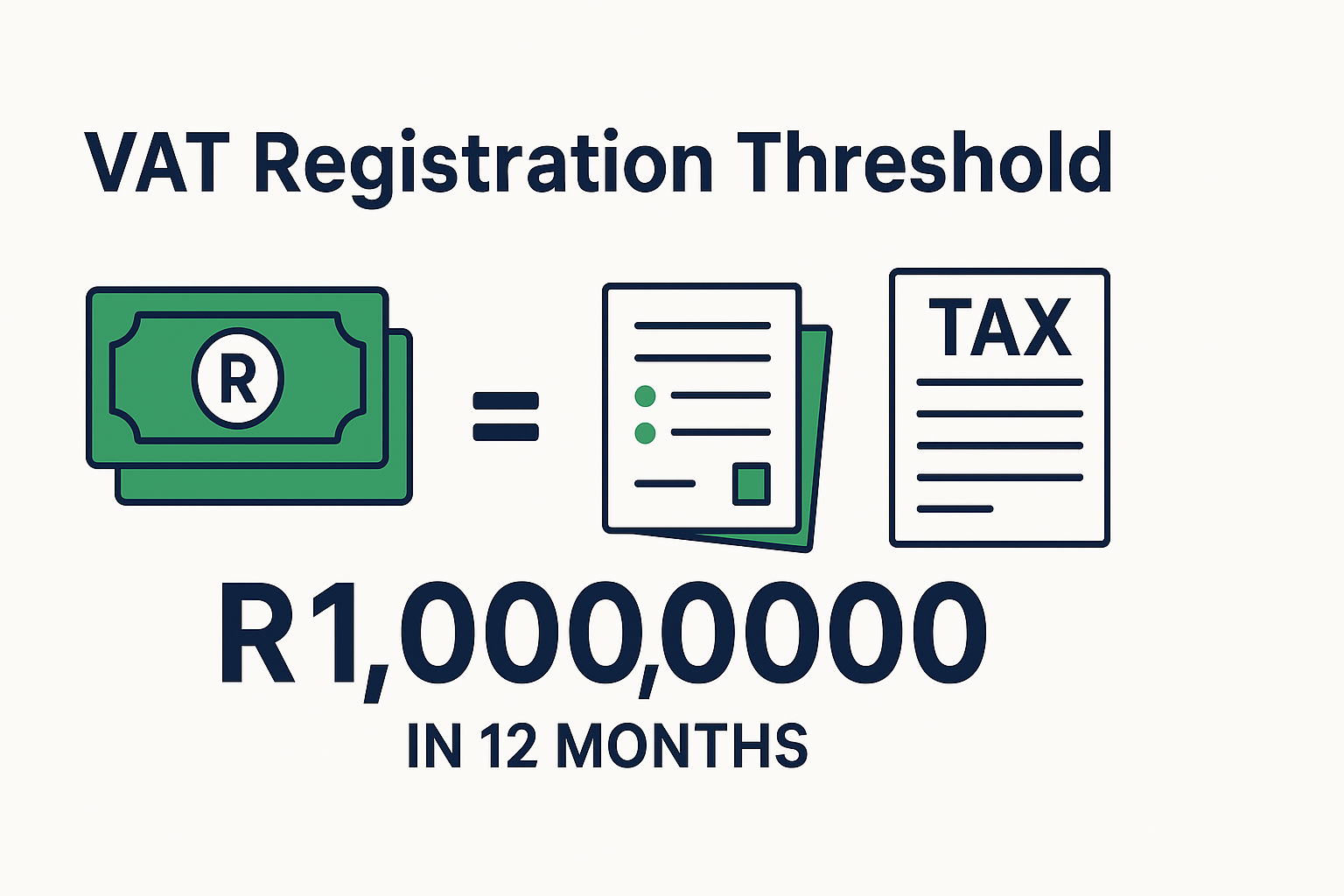
]]>
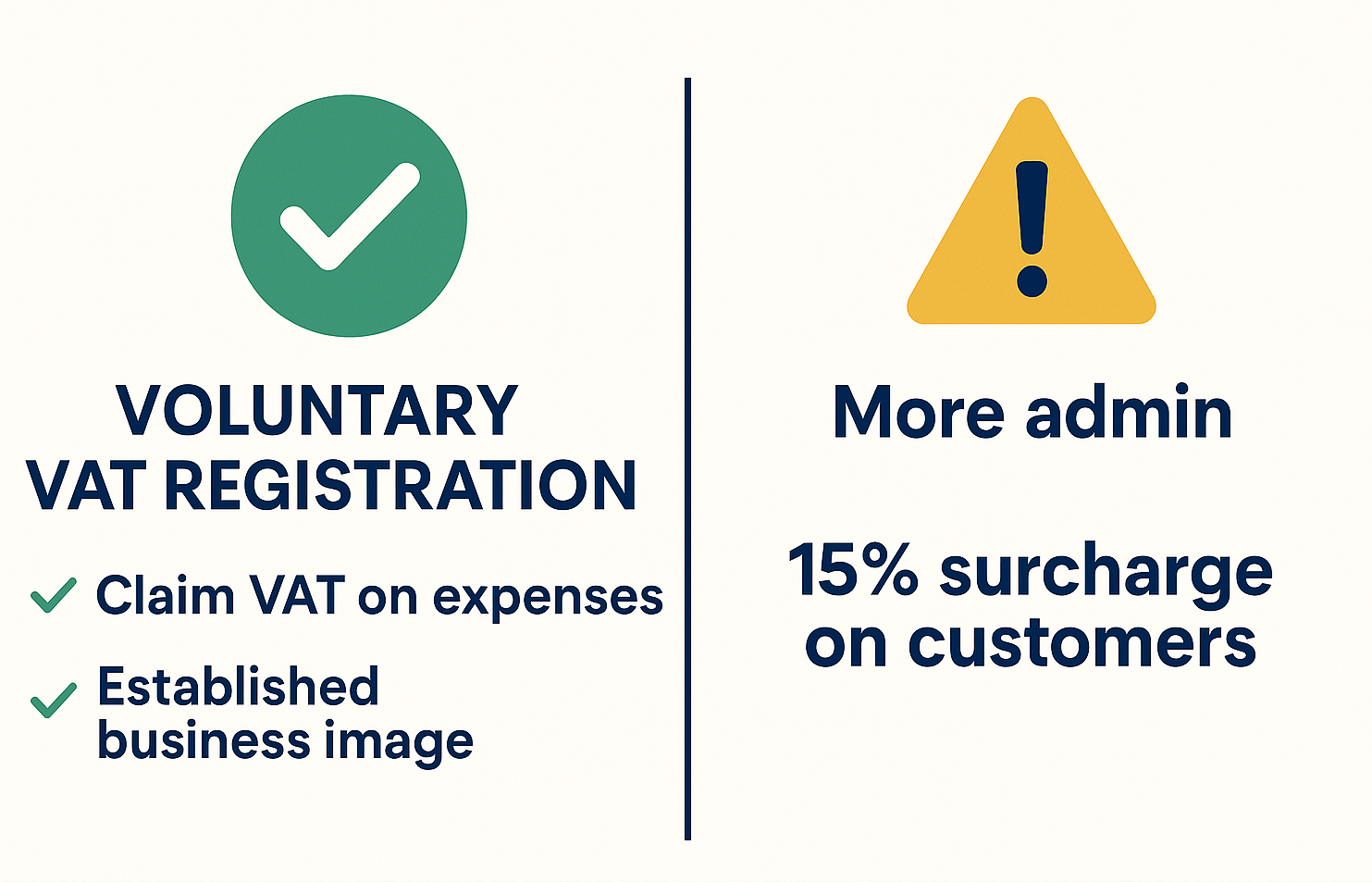
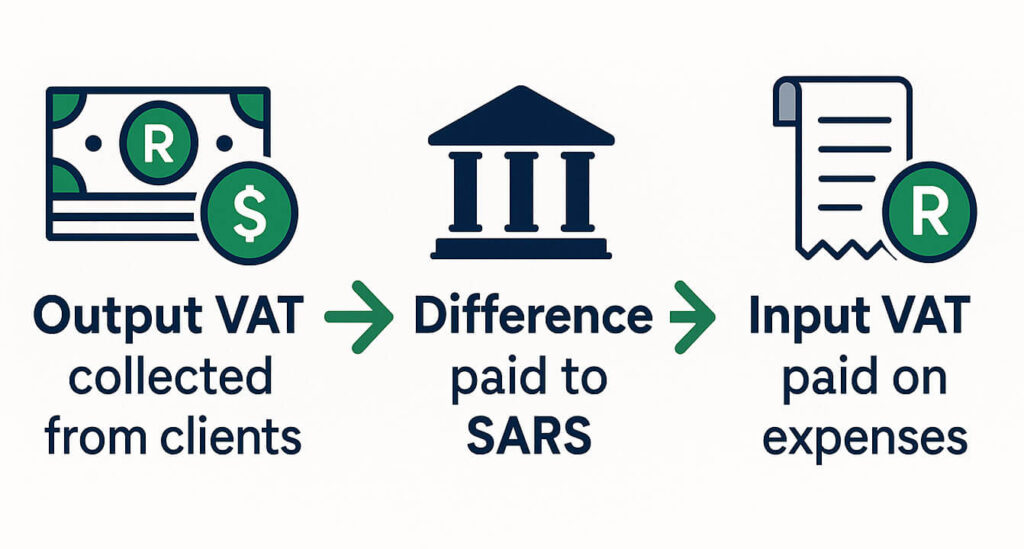
The post The SME’s Simple Guide to VAT in South Africa: Who, When, and What It Really Means for You appeared first on InovAcc - Simple Accounting.
]]>The post Individual Taxation Chronicles appeared first on InovAcc - Simple Accounting.
]]>
Individual Taxes
You might be wondering why I am starting this blog series with individual taxes. Surely corporate taxes, VAT and other forms of taxation contribute more to the country’s coffers-right?
Let’s be honest, many people today are just trying to make ends meet. So how can personal taxes possible be the largest contributor to governments revenue?
Well, according to the 2023/2024 statistics released by SARS, personal income taxes (PIT) are the highest contributor to South Africa’s revenue collection and therefor is deserving of receiving the prize to be discussed first.

A Glimpse into the past
Way back when, before SARS introduced eFiling, employers used to handwrite IRP5’s and IT3’S. I remember those days vividly. I would spend weeks after the end of the tax year manually filling our hundreds of IRP5’s, doing my best not to make any mistakes.
Then there was the dreaded EMP501 Reconciliations. Armed with only a pen and calculator, balancing the individual IRp5’s and It3’s to the monthly PAYE submissions.
If you have done this manually before, then you know exactly what I am referring too.
The Queuing Chronicles
Then came the big challenge: us mere mortals had to queue at SARS offices, documentation in hand, hoping that the payroll ladies calculated our taxes correctly.
Now just think, if this process was so tedious for us, standing in line with papers files and anxious faces, imagine the poor SARS Officials on the other side. They had to process millions of tax returns manually. Verifying calculations and information and ultimately delivering the verdict like the Grimm Reaper: refund …or payment due.
Present Processes
Fast forward to the present, and thanks to the advantages of technology and clever payroll systems, everything has become so much easier.
With tools like SARS eFiling, Easyfile and payroll software that link seamlessly with SARS, the annual tax season has become far less painful. These systems streamline the process for both taxpayers and tax practitioners. Automatically pulling through tax certificates, pre-populating returns and tracking submissions in real time.
SARS has also rolled out the auto-assessment system, taking the ease off eFiling one step further. By using third party data and automation, they’ve simplified the experience for millions of taxpayers. Especially for those with straight forward affairs.
Thus, resulting in no more tax stress.
Understanding the auto-assessment by SARS
SAR Shas modernised the tax season process by introducing auto-assessment for individual taxpayers that meets the criteria.
What does this mean exactly, and should you accept this blindly?
What is an Auto-Assessment
An auto-assessment is a pre-populated tax return issues by SARS, based on the third-party data received on your behalf. This includes:
- IRP5/IT3(a) certificated from your employers
- Medical Aid certificates
- Investment income from banks and financial institutions
- Retirement annuity fund contributions
- Travel allowance details
If SARS believe they have enough data to file, then you are auto- assessed. Important tip though- always verify to ensure the information is correct.
Tax Practitioner purpose
However, if you are not sure if everything is correct and tha tyou have not misses out on a legal deduction, it is always advisable to contact a reputable tax practitioner who will be able to assist you.
What about Non-Auto-Assessed Taxpayers?
While the auto-assessment system works well for most individual taxpayers with straightforward tax affairs, not everyone qualifies for this simplified route.
If you earn income from multiple sources, have deductions that aren’t reflected on a third-party data, or run a small business or rental portfolio, your tax return most likely will not be auto assessed.
In these cases submitting a manual return is essential to capture all income and deductions are captured to ensure a correct tax return that reflects the true nature of your affairs to SARS.
This is where a reputable tax practitioner becomes your best asset.
A qualified tax practioner can:
- Help you identify all allowable deductions
- Ensure accuracy and compliance
- Guide you on
- Provisional taxes
- Capital Gains Taxes
- Small business returns
- Represent you in an event of a SARS dispute or audit
- Keep you informed of changing tax laws and SARS updates.
Trying to navigate tax rules alone can cost you more than a professional fee. Especially if you miss out on deductions or make mistakes that can lead to penalties.
TIP: ALWAYS ENSURE YOUR TAX PRACTIONER IS REGISTERED WITH SARS AND BELONGS TO A RECOGNISED BODY – SAIT, SAICA, SAIPA CIBA
The post Individual Taxation Chronicles appeared first on InovAcc - Simple Accounting.
]]>The post Introduction to Understanding Tax appeared first on InovAcc - Simple Accounting.
]]>But taxation isn’t a modern invention. It has existed since the earliest days of civilization. From Ancient Mesopotamia and Greece to the highly structured systems in Ancient Egypt, taxes were raised to fund wars, maintain infrastructure, and keep empires functioning.
A major turning point came in 1215 with the signing of the Magna Carta in England, where for the first time, the king agreed not to impose certain taxes without consent. This marked the beginning of recognizing taxpayers’ rights.
Later, during the Industrial Revolution and especially in the post-war era, taxation evolved again, this time to support economic rebuilding, public services, and a growing urban culture.
Today, taxes are a crucial tool for governments to ensure:
-
Transparency and accountability
-
Fairness and equality
-
Prevention of tax evasion
-
Sustainable economic growth
Taxation may never win a popularity contest, but it’s an essential part of how society works. From kings to democracies, the core principle remains: we all contribute so we can all benefit.
What’s Coming Next?
Over the next few weeks, I’ll break down the different types of taxes, the reasons behind them, and help answer questions like how, why, and when we pay.
My goal? To explain tax in simple, relatable terms. I want to help shift the perception of tax from a feared foe to a powerful friend—one that funds our roads, schools, hospitals, and protects our rights as citizens.
Stay tuned, and let’s make sense of tax together.
The post Introduction to Understanding Tax appeared first on InovAcc - Simple Accounting.
]]>